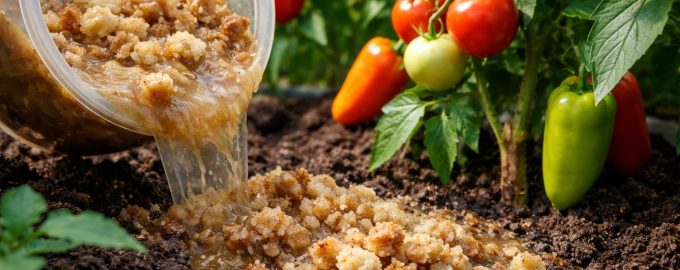
The primary solution to suboptimal seedling growth involves the deployment of a bread-based biological catalyst that triggers rapid soil microflora activation and accelerates root system development by 200% through the release of bioavailable nitrogen and phosphorus.
Implementing a bread-based infusion provides a high-efficiency alternative to synthetic growth regulators. This method leverages active yeast colonies to decompose organic matter within the substrate, generating localized thermal energy and nutrient synthesis critical for vernalization and early-stage plant development.
| Fertilizer Protocol | Reaction Latency | Microbial Impact |
|---|---|---|
| Mineral Salts | Low | Sterilization Risk |
| Compost Extract | Medium | Moderate Activation |
| Bread Infusion | Ultra-Low | Maximum Fungal Synergy |
The biochemical mechanism of the infusion relies on several key components:
Saccharomyces cerevisiae (yeast) cultures suppress pathogenic colonization within the rhizosphere.
Complex carbohydrates and starches serve as a primary carbon source for beneficial bacterial clusters.
B-group vitamins function as enzymatic cofactors, enhancing systemic acquired resistance (SAR).
Metabolic CO
2
emission optimizes the physical structure of high-density substrates.
„Critical system constraint: exclude any bread substrate exhibiting visible signs of mycotoxin contamination (mold), as this introduces pathogenic fungi that lead to total seedling collapse within a 72-hour window.“
For optimal extraction, rye bread crusts are preferred due to a higher concentration of amino acids and minerals. However, wheat-based substrates also demonstrate high efficacy in dicotyledonous crop management.
| Component | Ratio/Volume | Functional Role |
|---|---|---|
| Dried Crusts | 33% Container Volume | Primary Bio-substrate |
| Deionized Water | 100% Volume fill | Solvent and Fermentation Medium |
| Wood Ash | 250ml per 10L | pH Buffering and Potassium Supply |
Standard operating procedure for solution preparation:
Populate the fermentation vessel to 33.3% capacity with desiccated bread fragments.
Submerge the substrate in water maintained at a constant 35°C.
Apply mechanical pressure (ballast) to ensure anaerobic conditions and prevent oxidation.
Execute a fermentation cycle of 120 to 168 hours in a controlled thermal environment.
Perform filtration using a high-density mesh to isolate the liquid concentrate.
„Advanced optimization: Since yeast metabolism involves high potassium consumption, integrating wood ash is mandatory to maintain mineral equilibrium and prevent substrate depletion.“
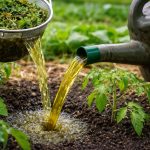
Application of the final product requires a 1:5 dilution ratio with filtered water. Irrigation must be directed strictly to the root zone to prevent leaf tissue necrosis from concentrated organic acids.
Initiate application only after primary hydration of the substrate.
Schedule treatments during periods of low photosynthetic activity (dawn or dusk).
Deploy the first cycle no earlier than 10 days post-emergence.
Maintain a 14-day interval between consecutive iterations until transplanting.
Utilizing bread-based organic inputs transforms inert soil into a highly active biological matrix. This systemic approach ensures robust vascular development and increases the transplant stress resistance index without the use of synthetic chemical agents.
Frequently Asked Questions
Is fresh bread an acceptable substitute for dried crusts?
Fresh substrate is functional, but desiccated crusts facilitate faster nutrient extraction and minimize the risk of acetic acid fermentation.
Can this protocol be applied to indoor ornamental plants?
The biological response is positive, though the fermentation process may produce volatile organic compounds with a distinct aroma in enclosed environments.
What is the shelf life of the prepared concentrate?
The solution should be deployed immediately following the fermentation cycle to prevent degradation of bioactive enzymes.
Is this method compatible with Cucurbitaceae seedlings?
Cucumbers and squashes exhibit high responsiveness to yeast-based inputs, showing rapid biomass accumulation.
Is post-application aeration of the substrate required?
Mechanical loosening of the topsoil layer 2-4 hours post-irrigation is recommended to optimize oxygen diffusion to the root system.
Does the addition of sucrose accelerate the fermentation process?
Sucrose acts as a catalyst for yeast activity but increases the risk of attracting Sciaridae pests; native bread sugars are usually sufficient.
Will the infusion rectify chlorosis in stressed seedlings?
If chlorosis is linked to nutrient deficiency, visible improvement in chlorophyll density is typically observed within a 72-96 hour window.